

HomeAboutServicesNewsContact

News, Research & Expert Views

Stay informed with the latest thinking on West African maritime, port operations, trade facilitation, and the blue economy — from the IMETC team.

Recent News & Updates

Port news
Company NewsApril 28, 2026

IMETC Awarded Major Terminal Consulting Contract at Onne Port

IMETC International Solutions has been awarded a two-year terminal operations optimisation contract at the Onne Port & Free Trade Zone, Nigeria's foremost deep-water port.

Read More →
Maritime news
IndustryApril 10, 2026

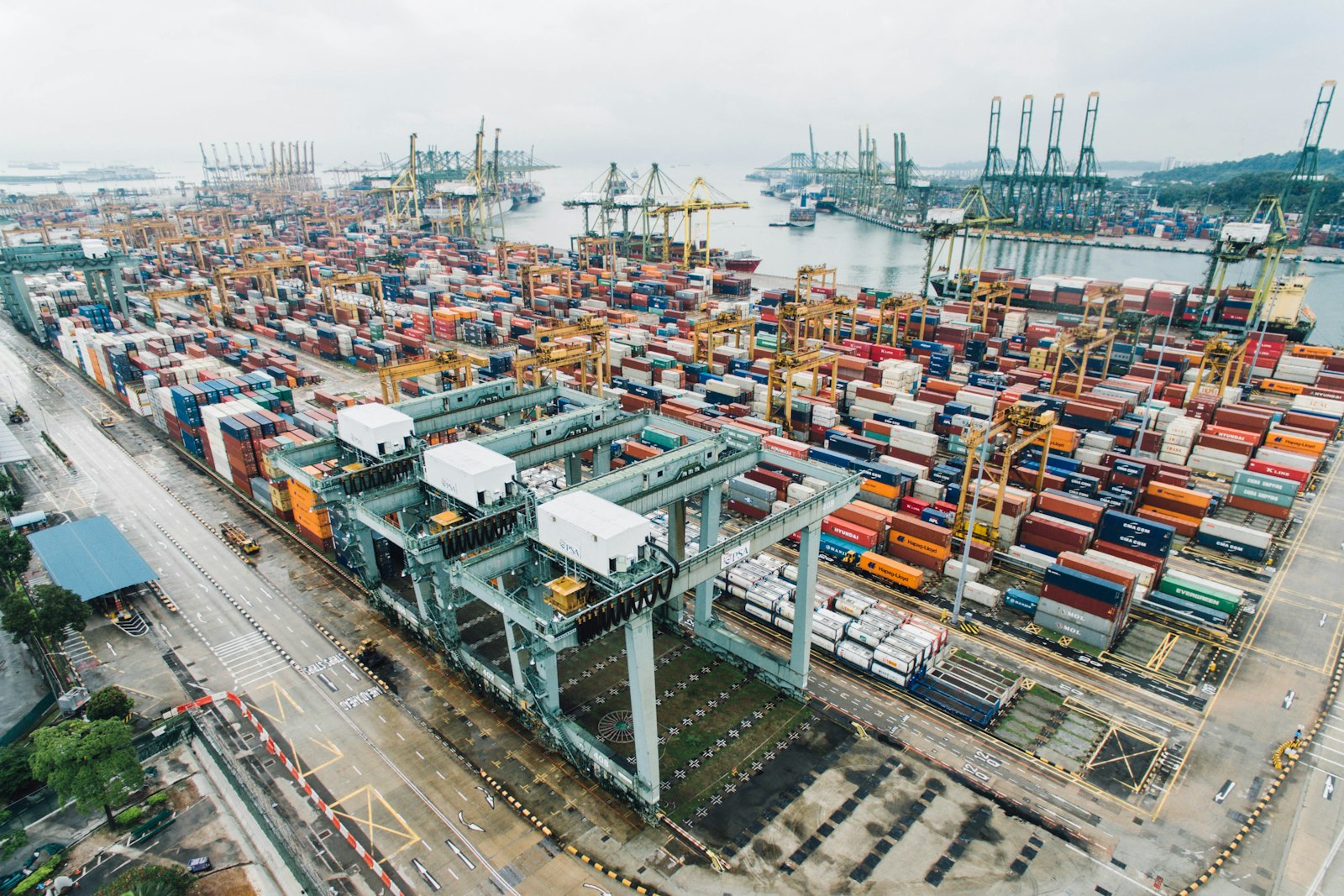
Nigerian Ports Record 12% Growth in Container Throughput in Q1 2026

New data from IMETC's port statistics division shows Nigeria's container ports achieved their strongest first-quarter performance in five years, driven by improved terminal productivity and reduced dwell times.

Read More →
Blue economy news
Blue EconomyMarch 22, 2026

IMETC Presents Blue Economy Framework at West Africa Maritime Conference

Our Head of Blue Economy Advisory presented Nigeria's integrated ocean economy framework at the West Africa Maritime Conference in Abidjan, drawing significant interest from regional governments.

Read More →

From Our Experts

All Topics Stevedoring STS Operations Blue Economy Port Statistics Trade Facilitation
Port automation stevedoring
StevedoringApril 20, 2026

The Future of Stevedoring: Automation & Efficiency in Modern African Ports

The global stevedoring industry is undergoing its most significant transformation in decades. Autonomous cranes, AI-powered yard management systems, and real-time IoT sensor networks are not futuristic concepts — they are operational realities at ports in Rotterdam, Singapore, and Shanghai. The question for West African ports is not whether this revolution will arrive, but how to prepare for it.

The Technology Reshaping the Dock

Automated Stacking Cranes (ASCs) can work 24 hours a day without fatigue-related errors, achieving consistent performance at levels human operators approach only in ideal conditions. At Apapa Container Terminal — where crane productivity currently averages around 16-18 moves per hour — the deployment of semi-automated systems could realistically push this to 25-28 moves per hour with the right investment and training pipeline.

AI-based gang planning systems are another transformative tool. These systems analyse vessel arrival times, cargo composition, berth availability, and equipment status to optimise gang assignments minutes in advance, eliminating the traditional 30-45 minute planning gap that currently occurs during every shift change at most West African terminals.

The Human Capital Imperative

Technology adoption in stevedoring does not eliminate the need for skilled human workers — it changes the nature of the skills required. The crane operators of tomorrow will not physically sit in crane cabs; they will remotely supervise multiple cranes from control rooms. The planners of tomorrow will not draw chalk diagrams; they will interrogate algorithms and adjust parameters. African ports that invest in reskilling their workforce now will be significantly better positioned to absorb and benefit from automation technologies as they become available at accessible price points.

IMETC has been conducting skills gap assessments and training needs analyses at Nigerian terminals for over a decade. Our data shows a clear bimodal distribution: senior, experienced dockworkers with excellent operational knowledge but limited digital literacy, alongside younger workers with strong technology aptitude but limited cargo-handling experience. Bridging this gap is both the challenge and the opportunity.

Practical Steps for Nigerian Terminals

Rather than waiting for full-scale automation — which requires significant capital investment and a supportive regulatory environment — Nigerian terminal operators can begin their technology journey with incremental improvements: deploying wireless remote monitoring on existing cranes, implementing paperless tally systems, and introducing TOS upgrades that incorporate AI-assisted planning modules. These steps are achievable with current budgets and generate measurable productivity gains that build the business case for deeper investment.

"The terminals that will lead West Africa in 2030 are those that begin their technology investment journey in 2025. The window for building competitive advantage through early adoption is closing quickly." — IMETC Operations Director

The future of stevedoring in Africa is not a distant prospect. It is being built today, one incremental upgrade at a time, by terminal operators who understand that the choice is not between automation and employment, but between embracing change proactively or being forced to adapt reactively at greater cost.

AO
Amina NwosuCOO, IMETC International Solutions | STS & Terminal Operations Expert
Read Full Article →
Ship to Ship operations
STS OperationsMarch 15, 2026

STS Operations Best Practices: Ensuring Safe & Efficient Ship-to-Ship Transfers in West African Waters

Ship-to-Ship (STS) cargo transfer operations — where liquid or dry bulk cargo is transferred directly between two vessels moored alongside each other at sea — are among the most technically demanding and risk-intensive operations in the maritime industry. When conducted poorly, they can result in cargo losses, environmental disasters, vessel damage, and, in extreme cases, loss of life. When conducted well, they are a vital, efficient tool in the global commodities supply chain.

Understanding the STS Risk Landscape

The Gulf of Guinea presents a distinctive risk environment for STS operations. Significant ocean swell — particularly in the periods between November and March — can create challenging conditions for mooring alongside another vessel. Ocean currents, seasonal weather patterns, and the particular sea state characteristics of Nigerian offshore anchorages mean that STS planning in West African waters requires experienced local knowledge, not just technical competence.

Security is also a significant consideration. The Gulf of Guinea has historically been one of the world's most piracy-affected regions, and STS operations — where two large vessels are stationary for extended periods — require robust ISPS-compliant security protocols, close coordination with the Nigerian Navy, and awareness of current threat intelligence.

The OCIMF Standard: Non-Negotiable Foundation

The Oil Companies International Marine Forum (OCIMF) Ship-to-Ship Transfer Guide is the definitive reference document for liquid bulk STS operations. All reputable STS service providers — including IMETC — base their procedures and checklists on this guide. Key requirements include pre-STS compatibility checks between vessels (freeboard differences, manifold heights, mooring winch capacities), mandatory pre-STS meetings between both Masters and the STS Superintendent, and the presence of an experienced, OCIMF-endorsed STS Superintendent throughout the operation.

One area where we see frequent shortcomings in West African STS operations is the quality of pre-STS surveys. A meaningful pre-STS survey — not merely a tick-box exercise — should identify and document any concerns with fender deployment, hose condition, mooring arrangements, or vessel stability before a single line is put across. IMETC conducts pre-STS surveys as genuine risk assessments, with authority to recommend postponement if conditions are unsafe.

Environmental Safeguards in Focus

MARPOL Annex I Regulations 40-44 establish a comprehensive regulatory framework for STS operations involving oil tankers. These regulations — which came into force in 2011 — require advance notification to coastal states, a pre-operation risk assessment (PORS), and detailed recording of the operation in the vessel's Oil Record Book. Non-compliance can result in vessel detention, flag state sanctions, and significant reputational damage for charterers and operators.

Beyond regulatory compliance, environmental stewardship demands that STS operators maintain spill response equipment on standby throughout operations. IMETC maintains a comprehensive inventory of MARPOL-compliant spill response equipment deployed to all active STS locations, and our Superintendents are trained in Oil Spill Response Operations (OSRO) coordination.

"An STS Superintendent's most important tool is the authority to say no. The commercial pressure to proceed with an unsafe operation is real — and it must always be resisted." — IMETC STS Division Head
AN
Amina NwosuCOO, IMETC International Solutions | MSc Nautical Science, World Maritime University
Read Full Article →
Blue Economy Nigeria
Blue EconomyFebruary 8, 2026

Nigeria's Blue Economy: Unlocking $296 Billion in Ocean Potential

Nigeria has long been defined by its black gold — crude oil extracted from deep beneath the Niger Delta and its offshore waters. But the country sits on another vast and largely untapped resource: a 200,000-square-kilometre Exclusive Economic Zone rich in fish, potential offshore renewable energy, marine biodiversity, and strategic maritime corridors that the world's shipping lanes depend upon. This is Nigeria's blue economy, and it remains one of the continent's most dramatic unrealised development opportunities.

Putting a Number on the Ocean

Valuing ocean assets is inherently complex — fish stocks fluctuate, energy markets move, and the economic contribution of ecosystem services is notoriously difficult to quantify. Nevertheless, credible estimates place the annual economic value of Nigeria's blue economy at $296 billion when accounting for fisheries, shipping, offshore energy, marine tourism, and associated industries. Currently, Nigeria captures perhaps 15-20% of this potential through formal economic activity.

The fisheries sector alone illustrates the gap. Nigeria's coastal and offshore waters could sustainably support annual harvests of 1.2-1.5 million tonnes of fish, yet domestic catch in recent years has hovered around 600,000-800,000 tonnes — with significant portions going to IUU (Illegal, Unreported and Unregulated) fishing by foreign vessels operating in Nigeria's EEZ with impunity.

Offshore Renewable Energy: The Next Frontier

With offshore wind resources estimated at 36 GW of technically accessible potential in Nigeria's coastal waters, and growing international interest in floating offshore wind technologies that could access Nigeria's deeper EEZ, the country stands at the threshold of a new offshore energy era. The challenge is not resource availability — it is regulatory clarity, grid infrastructure, and the development of local supply chains. IMETC's blue economy team has been engaged by two state governments to conduct preliminary offshore wind resource assessments and regulatory pathway analyses.

Policy Foundations for Ocean Prosperity

Nigeria's 2019 National Integrated Ocean Policy (NIOP) provided the first comprehensive framework for coordinated blue economy development, establishing the Presidential Advisory Committee on Blue Economy and articulating strategic priorities across fisheries, offshore energy, maritime trade, and marine environmental protection. Implementation has been uneven, but the policy architecture exists — what is needed now is sustained political will, institutional capacity, and strategic investment in the enabling infrastructure: vessel monitoring systems, port infrastructure, cold chain logistics, and maritime security.

"The ocean is Nigeria's second resource frontier. The generation that builds the Blue Economy of the Niger Delta coast will be as transformative as those who built its oil industry — but with a sustainability imperative that oil never had." — Dr. Oluwaseun Balogun, IMETC Head of Blue Economy
OB
Dr. Oluwaseun BalogunHead of Blue Economy Advisory, IMETC | PhD Marine Economics
Read Full Article →
Port data analytics
Port StatisticsJanuary 12, 2026

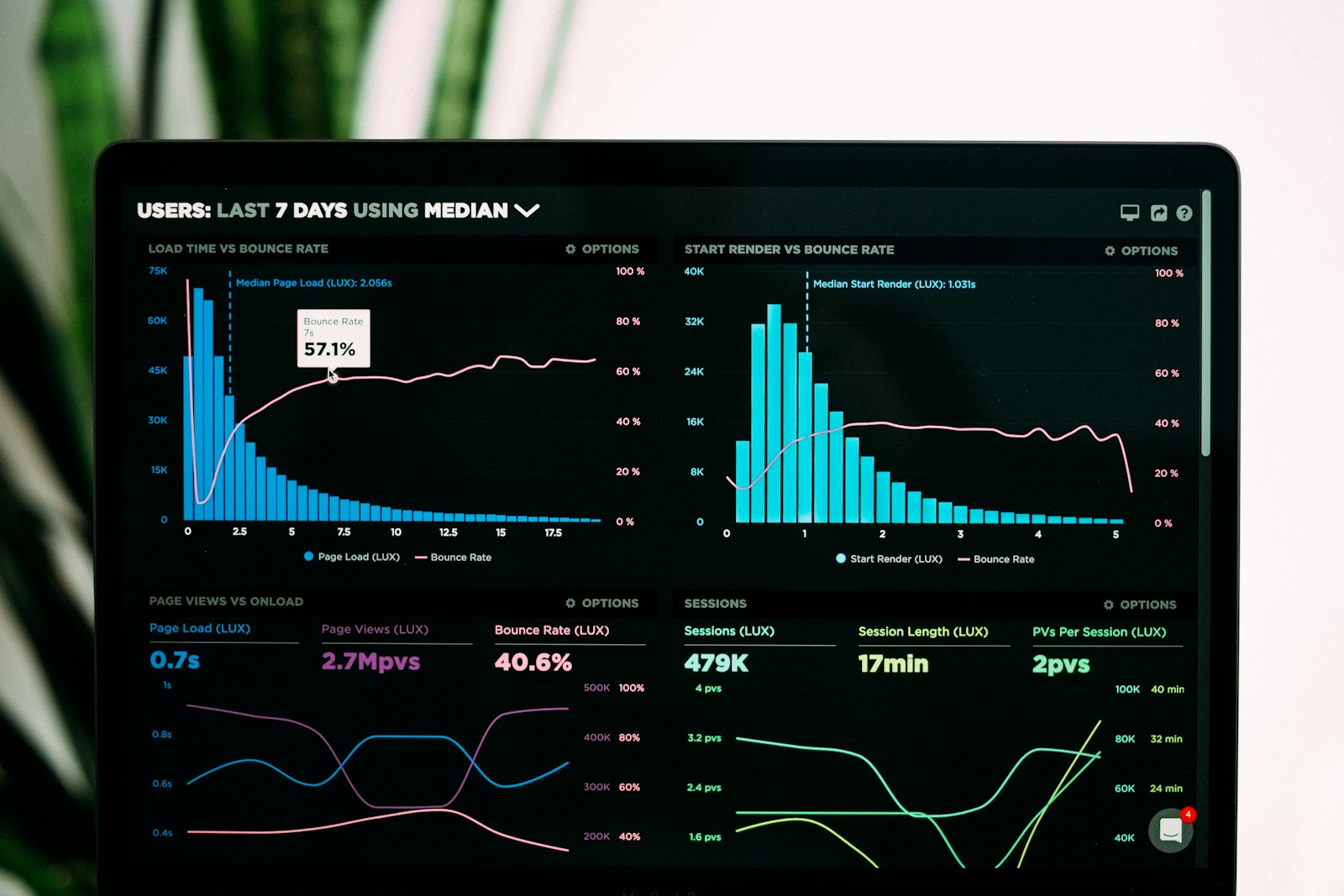
Port Statistics and Data-Driven Decision Making: How Nigerian Ports Can Compete on the World Stage

In a 2025 World Bank Logistics Performance Index, Nigeria ranked 99th out of 139 countries — a position that reflects, in part, the inefficiency of its port sector. Port charges in Nigeria are among the highest in sub-Saharan Africa, cargo dwell times consistently exceed regional averages, and vessel waiting times at anchorage can stretch from days to weeks. These are not merely abstract statistics — they represent real costs borne by Nigerian importers and exporters, and ultimately, Nigerian consumers.

What Gets Measured, Gets Managed

The first step toward improving port performance is measuring it accurately and consistently. This may sound obvious, but West African port statistics have historically been characterised by inconsistency, incompleteness, and lack of standardisation. Port authorities have used different methodologies to calculate the same indicators — making comparison between ports impossible and trend analysis unreliable.

IMETC's port statistics division has spent over a decade developing and applying a standardised data collection framework aligned with UNCTAD's Port Management Information System (PORTMIS) and the Association of American Port Authorities (AAPA) performance indicators. Applied consistently across 12 Nigerian and regional ports, this framework produces data that is genuinely comparable over time and across ports — enabling the kind of evidence-based analysis that can drive reform.

Key Findings from Our 2025 Annual Port Performance Review

Our most recent Annual West African Port Performance Review — covering 2024 data from 12 ports — highlights both progress and persistent challenges. Container crane productivity at Apapa improved from an average of 14.2 moves per hour in 2020 to 17.8 moves per hour in 2024 — meaningful progress, but still well below the African Efficiency Benchmark of 22 moves per hour identified by the World Bank. Cargo dwell time improved significantly for dry bulk — down from an average of 18 days to 11 days — driven by improved documentation digitisation. However, container dwell times remain stubbornly high at 14-21 days versus a global benchmark of 3-5 days.

Berth occupancy data tells a nuanced story. While Apapa's container berths run at 78-82% occupancy — on the high side but manageable — the resulting vessel waiting times are excessive because the berth allocation system is not optimised for vessel size and cargo profile. Smarter berth scheduling, informed by data, could reduce vessel waiting times by an estimated 35-40% without adding a single metre of new berth length.

The Path Forward: A Data Culture for Nigerian Ports

Building a genuine data culture in Nigerian ports requires more than installing software — it requires leadership commitment, trained analysts, data governance frameworks, and a willingness to use data to challenge comfortable assumptions. Ports that embrace this culture will make better decisions, attract better investment, and ultimately deliver better service to their customers.

RA
Remi AdesanyaDirector, Data & Statistics, IMETC | MSc Statistics & Econometrics
Read Full Article →
Trade facilitation
Trade FacilitationDecember 5, 2025

Trade Facilitation Reforms in West Africa: Progress, Challenges, and the AfCFTA Imperative

The African Continental Free Trade Area (AfCFTA) — officially operational since January 2021 — promises to create the world's largest free trade area by number of countries, potentially adding $450 billion to Africa's income by 2035. But the promise of AfCFTA will not be realised without fundamental improvements in the behind-the-border trade facilitation environment: customs procedures, border infrastructure, regulatory alignment, and logistics connectivity.

Nigeria's Trade Facilitation Landscape

Nigeria has made significant strides in trade facilitation in recent years. The Nigerian Customs Service's (NCS) phased deployment of the Trade Modernisation Project — incorporating electronic single window capabilities, risk-based selectivity, and pre-arrival processing — has meaningfully reduced clearance times for compliant traders. The Nigeria Export Processing Zones Authority (NEPZA) has worked to streamline procedures in free trade zones, and the Central Bank's trade finance digitisation initiatives have improved access to trade finance for SMEs.

However, significant bottlenecks remain. Multi-agency coordination at the port remains a major challenge — importers routinely need to interact with NCS, NAFDAC, SON, NESREA, Port Health, and Port Police, each with separate systems, physical offices, and procedural requirements. The vision of a fully integrated "single window" where all clearance agencies interact with a single data submission remains aspirational rather than operational.

The AfCFTA Facilitation Imperative

For Nigeria to benefit from AfCFTA, Nigerian exporters must be able to get their goods to markets across the continent reliably, affordably, and predictably. Currently, intra-African trade faces an array of non-tariff barriers (NTBs) — from discriminatory technical standards and sanitary requirements to informal payments at border posts and inadequate transport infrastructure — that make it more expensive to trade across African borders than to export to Europe.

IMETC has been working with the AfCFTA Secretariat and several West African governments to develop National Trade Facilitation Committees (NTFCs) as required by the WTO Trade Facilitation Agreement — multi-stakeholder bodies that bring together customs, trade ministries, private sector, and civil society to identify, prioritise, and drive NTB reduction. This kind of institutional infrastructure is the foundation upon which AfCFTA trade flows must be built.

Digital Trade: The New Frontier

Perhaps the most transformative opportunity in trade facilitation is digital trade documentation. The legal recognition of electronic bills of lading, digital certificates of origin, and e-phytosanitary certificates could eliminate billions of dollars in paper documentation costs and weeks of processing delay from African supply chains. Several major shipping lines, including Maersk and CMA CGM, are already deploying electronic bill of lading solutions. West African customs administrations and financial institutions need to accelerate their legal and technical readiness to accept and process these digital instruments.

"Trade facilitation is not a customs issue — it is a whole-of-government, whole-of-economy challenge. Solving it requires coordination that is harder than any technical fix." — Chukwuemeka Ezeali, CEO, IMETC International Solutions

The good news is that the political will for trade facilitation reform in West Africa has never been stronger, driven by AfCFTA implementation pressure, IMF and World Bank policy conditions, and a growing private sector advocacy coalition. IMETC is proud to be a technical partner in this transformation — bringing the evidence, the expertise, and the relationships needed to turn policy ambition into operational reality.

CE
Chukwuemeka EzealiCEO & Founder, IMETC International Solutions
Read Full Article →

Stay Informed on Maritime Developments

Subscribe to receive our expert articles, monthly port statistics, and industry updates directly to your inbox.